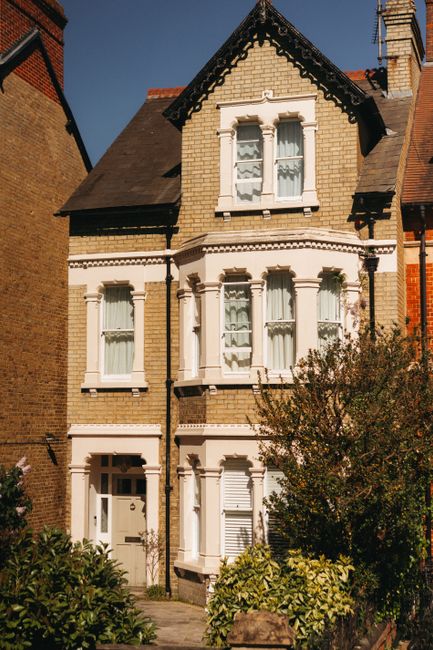
Upper Tooting Road house removals access guide
If you are planning a move on or near Upper Tooting Road, the first thing to sort out is not the boxes, the sofa, or even the kettle for moving day. It is access. A solid Upper Tooting Road house removals access guide can save you time, reduce stress, and stop those awkward last-minute moments when the van is idling outside and nobody can quite get the wardrobe through the hallway. Truth be told, access planning is one of those jobs people underestimate right up until moving day. Then it becomes the whole story.
This guide breaks down what access planning means in practical terms, why it matters in a busy London setting, how to prepare for narrow streets, loading challenges, parking constraints, and shared entrances, and what to ask a removals team before the move. You will also find a checklist, a realistic example, and answers to the questions people usually ask once they realise the staircase is tighter than it looked on the viewing. Small detail, big impact.
Table of Contents
- Why Upper Tooting Road house removals access guide Matters
- How Upper Tooting Road house removals access guide Works
- Key Benefits and Practical Advantages
- Who This Is For and When It Makes Sense
- Step-by-Step Guidance
- Expert Tips for Better Results
- Common Mistakes to Avoid
- Tools, Resources and Recommendations
- Law, Compliance, Standards, or Best Practice
- Options, Methods, or Comparison Table
- Case Study or Real-World Example
- Practical Checklist
- Conclusion
- Frequently Asked Questions
Why Upper Tooting Road house removals access guide Matters
House removals are rarely difficult because of the lifting alone. They are difficult because of the route between the front door and the van. On Upper Tooting Road, that route may involve busy traffic, limited stopping space, parked cars, narrow pavements, shared front paths, basement steps, or a front garden that looked spacious in winter and somehow vanished once the bins, bike, and plant pots returned.
That is why access matters so much. If the removals team cannot park close enough, if the entry point is awkward, or if the route inside the property is tight, every item takes longer to move. Longer moves mean more fatigue, more risk of knocks, and a greater chance of delay. And delay on moving day has a funny way of rippling outward into keys, handovers, utilities, and your own nerves.
For people moving within Tooting, or arriving from elsewhere in London, access planning also helps with realism. A three-bed house on paper may move like a much larger property if there is no straightforward loading point. A compact terrace with good front access may, on the other hand, be surprisingly manageable. That is the sort of practical detail that makes an actual difference.
Expert summary: In removals, access is often the hidden variable. Get it right early, and the rest of the move usually feels calmer, quicker, and far less chaotic.
If you are comparing moving options, it helps to look at broader service pages too, such as house removals, home moves, and removal services, because the right fit depends on the property, the access, and how much support you want on the day.
How Upper Tooting Road house removals access guide Works
An access guide is basically a planning tool. It helps you map the journey from your rooms to the removals vehicle and spot anything that could slow the process down. In practice, that means looking at the street, the front of the property, the inside layout, and the move schedule together rather than as separate issues.
Here is how it usually works in a real move:
- Assess the street access. Is there space to stop near the property, or will the van need to park further away?
- Check the loading point. Think about kerb height, pavement width, traffic flow, and whether there is a place to stage items safely.
- Walk the inside route. Door widths, stair turns, bannisters, low ceilings, and tight corners all matter.
- Flag difficult items early. Sofas, wardrobes, beds, appliances, mirrors, and pianos need special attention.
- Plan the order of loading. The easiest moves are rarely the ones where everything is packed first and thought about later.
- Confirm any support equipment needed. Dollies, blankets, straps, extra crew, or temporary parking permissions may be necessary.
You do not need to turn into a logistics manager overnight. But a bit of measured planning goes a long way. You will notice the difference on the day when the crew arrives already knowing where the bottlenecks are. Less guessing. More moving.
A good removals provider will usually ask questions about access before the move, especially if you are using a service like house removalists or booking help through removal companies. That is a good sign, not a nuisance. It means they are trying to prevent the kind of problem everyone hates: discover-it-later problems.
Key Benefits and Practical Advantages
A proper access plan is not just about avoiding hassle. It creates real, practical advantages that show up in time, cost, safety, and even the mood of the day. Let's face it, moving already has enough emotional weight without everyone starting the morning slightly frazzled.
- Less wasted time: When the van can park intelligently and the route inside is clear, the team can work at a steady pace.
- Lower risk of damage: Fewer awkward turns and less carrying distance usually means fewer knocks to furniture and walls.
- Smoother coordination: If neighbours, parking, or access restrictions are involved, everyone knows what to expect.
- Better cost control: Delays can increase labour time, so clear access can help keep the move efficient.
- Reduced stress: There is a quiet relief in knowing the heavy part has been thought through properly.
- Safer handling: A clear route reduces the chance of trips, slips, and overstraining on stairs or tight landings.
One thing people often miss: access planning also helps you decide what should be dismantled in advance, what should be carried as-is, and what might be better sold, stored, or donated before moving day. If a sofa barely fits through the hallway on a calm Tuesday, it will not magically become easier on a rainy Saturday with two people waiting behind it.
That is also where supportive services can help. For example, if you need help wrapping, sorting, or loading fragile items, pages like packing and unpacking services and packing and boxes are relevant because good packing and good access planning work hand in hand. One without the other is only half the job.
Who This Is For and When It Makes Sense
This guide is useful if you live in a terraced house, semi-detached property, flat conversion, maisonette, or any home where access is not exactly simple. In practice, that covers a lot of Upper Tooting Road and nearby streets. It is especially relevant if your move involves one or more of the following:
- narrow front entrances
- steep internal stairs
- shared driveways or no driveway at all
- restricted stopping near the property
- permit-based parking or time-limited loading
- large or delicate items
- moving children, pets, or a lot of day-to-day clutter at the same time
It also makes sense for anyone booking a smaller service such as man and van or man with van, where good access can determine whether the move feels quick and tidy or more like a puzzle with missing pieces. Smaller crews can be brilliant. They just need the right conditions.
If you are moving a student room, a one-bed flat, or a family house, the same principle applies, only the scale changes. For bigger relocations, especially those involving multiple rooms or business items, services such as flat removals, student removals, commercial moves, or office removals can be more relevant depending on the property type. Different move, same access logic.
Step-by-Step Guidance
If you want the cleanest possible move, work through access in the same order a removals team would. Not glamorous, maybe, but effective. Here is a practical step-by-step approach.
1. Walk the full route before moving day
Start outside and move inward. Look at where a van could stop, whether the pavement is clear enough, and how far the shortest sensible carry would be. Then walk from the front door to the largest room. If there is a sharp turn, low arch, tight stair bend, or awkward hallway pinch point, note it now. Not later. Later is expensive in time and patience.
2. Measure the awkward bits
You do not need engineering-level precision, but rough measurements help. Measure the width of doors, the narrowest stair turn, and the size of large furniture. A tape measure, a phone camera, and a notebook are enough. If something looks tight to the eye, it usually is. That old rule holds up surprisingly well.
3. Check parking and stopping options
Upper Tooting Road can be busy, so think about where a moving truck or van can safely stop without blocking traffic or making the carry route unsafe. If there is no obvious space, ask the removals company what they recommend. In some cases, timing the load-in for quieter periods can make a big difference.
4. Identify problem items early
List the items that are likely to need extra care: wardrobes, beds, glass tables, white goods, mirrors, bikes, and anything heavy or brittle. If you have a piano, say so straight away and use a dedicated service such as piano removals. Pianos are not just heavy; they are awkward, sensitive, and best handled with proper planning.
5. Decide what should be dismantled
Some furniture moves far better when taken apart first. Flat-pack pieces, bed frames, large wardrobes, and some desks may be easier to carry in sections. Keep fixings in labelled bags. Future-you will thank present-you. Probably with actual relief.
6. Clear the route inside the property
Remove obstacles from hallways, landings, and staircases. That means shoes, rugs, laundry baskets, side tables, plant pots, and anything else that catches a toe or a corner. A clear route makes the whole process feel calmer and safer. It also makes the property look bigger, which is always a nice bonus.
7. Confirm the moving schedule
If key handover times, access windows, or building rules are involved, make sure the removals team knows them. If you need a same-day response because your timetable is tight, a page such as same-day removals may be relevant, but only if your access situation is clear enough to support it. Same-day moves and unclear access are not best friends.
8. Prepare a room-by-room plan
Label boxes by room and priority. Keep essentials separate. If access is tricky, you do not want the first box unloaded to be the one containing your only phone charger, the kettle lead, and every important bit of paperwork. That way lies needless panic.
Expert Tips for Better Results
Here are the small, experienced-bit-of-the-job details that often make the biggest difference.
- Book the move with access, not just volume, in mind. A smaller van with a better loading setup can sometimes outperform a larger vehicle that cannot park properly.
- Send photos before the move. A couple of clear shots of the frontage, hallway, stairs, and difficult furniture can save a lot of back-and-forth.
- Think in layers. First the vehicle, then the street, then the doorway, then the internal route. Problems often sit in just one layer.
- Leave room at the bottom of stairs and by the front door. It sounds obvious, but people forget, especially when the adrenaline is up.
- Have a spare plan for wet weather. Rain changes everything. A few metres of carry becomes slippery, messy, and slower.
- Use the right kind of moving help. A general removals service might be ideal for one move, while a simpler removal van or moving truck setup may work better for another.
One extra tip from real-world experience: if you think access might be awkward, assume it will be awkward. Then build a little margin into the plan. That margin is worth it. It gives everyone breathing space, and breathing space matters on moving day.
And yes, it is a bit annoying to over-prepare for something that turns out to be easier than expected. But that is a good annoyance. You can live with that.
Common Mistakes to Avoid
There are a few classic mistakes people make with access planning. Most are understandable. None are ideal.
- Assuming parking will sort itself out. On a busy road, assumptions are risky. A van needs space, and space is not guaranteed.
- Forgetting about the inside route. A clear street access point does not help if the hallway is cluttered or the staircase is too tight.
- Not mentioning heavy or awkward items early. The crew cannot plan properly if they discover the piano, American fridge, or oversized wardrobe at the door.
- Leaving packing too late. Loose items slow everything down and create avoidable stress.
- Ignoring weather. London weather loves a surprise. A dry morning can become a wet carry halfway through.
- Choosing the wrong type of service for the access conditions. Sometimes a specialist setup is better than a generic one, especially for delicate or high-value items.
Another common one? People clear the rooms but forget the landings and front path. Then boxes end up stacked in the exact place someone needs to turn. A little inconvenient. A lot avoidable.
Tools, Resources and Recommendations
You do not need a van full of equipment to make access easier, but a few simple tools and prep items can make moving day much smoother. Think practical, not fancy.
- Tape measure: Useful for doorways, furniture widths, and stair turns.
- Phone camera: Take photos of the frontage, access route, and any pinch points.
- Labels and markers: Keep boxes organised by room and priority.
- Basic toolkit: Handy for dismantling beds, tables, and shelving.
- Protective coverings: Blankets, wrapping, and floor protection help prevent scuffs.
- Sturdy bags for fixings: Screws and brackets disappear faster than people expect.
If you are looking for help with the preparation side, services such as packing and boxes, furniture removals, and furniture pick-up can be useful depending on whether you are moving everything or just a few substantial pieces. If you need short-term holding space between properties, storage is often worth considering, especially when access timings do not line up neatly.
For readers thinking about value and budgeting, it can also help to review pricing and quotes before you commit. Access complexity can affect the quote, and that is normal. A transparent quote is better than a cheap one that becomes expensive through delays later on. Nobody enjoys that story.
Law, Compliance, Standards, or Best Practice
Because removals involve vehicles, parking, lifting, and often shared residential spaces, there are a few compliance and best-practice points worth keeping in mind. Exact rules vary depending on the street, property type, and local arrangements, so it is sensible to treat access planning as a practical responsibility rather than a box-ticking exercise.
For example, if a moving vehicle may need to stop in a restricted or tightly controlled space, make sure the arrangement is lawful and agreed in advance. Do not assume it is fine to block a lane, pavement, or neighbour's drive for a few minutes. What feels temporary to one person can be deeply frustrating to everybody else. In London, that kind of misunderstanding can become a problem very quickly.
It is also good practice to follow safe manual handling methods, especially for heavy or awkward items. If a piece is too bulky for one person to control properly, it should be treated as a two-person lift or moved with suitable equipment. Good removals teams take this seriously. So should clients, even if the item is "only up one flight of stairs". That phrase has caused many a regrettable lift.
For business and service standards, you may also want to check pages such as insurance and safety and health and safety policy. These pages are useful when you want reassurance about how the company approaches risk, handling, and customer protection. If you care about responsible disposal or unwanted item handling, recycling and sustainability is relevant too, especially for moves where decluttering happens alongside relocation.
Best practice, in plain English, is simple: communicate early, measure honestly, prepare the route, and do not gloss over awkward access points. That is what keeps the job safe and efficient.
Options, Methods, or Comparison Table
Different moves call for different approaches. Here is a straightforward comparison to help you choose the right style of support for your access conditions.
| Option | Best for | Strengths | Watch-outs |
|---|---|---|---|
| Full house removals | Families, larger homes, multi-room moves | More support, better coordination, suitable for complex access | May cost more than lighter services |
| Man and van | Smaller loads, local moves, lighter access needs | Flexible, quick, often practical for compact moves | Can be less suited to heavy or very awkward items |
| Removal van or truck hire | Self-managed moves with organised packing | Good if you have a clear plan and enough help | More responsibility sits with you on the day |
| Packing support | Busy households, fragile items, tight schedules | Reduces breakages and speeds loading | Needs planning before moving day |
| Storage-first approach | Moves with date gaps or incomplete access | Creates breathing room when timing is messy | Requires extra coordination and cost planning |
If access is tricky on Upper Tooting Road, the safest answer is not always "book the biggest vehicle". Often the better answer is "book the right setup". That might mean a smaller vehicle, extra crew, timed loading, or a mix of moving and storage. The right choice depends on the building, the street, and the furniture more than on the headline size of the job.
Case Study or Real-World Example
Here is a realistic example based on the kind of move people often face in this part of London.
A family living in a terraced house on Upper Tooting Road planned a Saturday move. On paper, it looked manageable: three bedrooms, one reception room, and a few large items. But the front access was tighter than expected, with limited stopping space, a narrow hallway, and a staircase that turned sharply halfway up. A large wardrobe and a dining table were the two main concerns.
Instead of waiting until the morning of the move, they sent photos of the frontage and staircase a few days ahead. That gave the removals team time to plan the lift order, recommend partial dismantling for the wardrobe, and organise a carry route that avoided the tightest turn where possible. They also cleared the hallway, shifted bikes and shoes from the entry area, and kept a small parking space free where they could.
What changed? Not the size of the furniture. The planning changed. The crew knew what to expect, so the move felt more controlled. There was still a bit of sweat, naturally, and one of the children kept asking where the toaster was. Life happens. But the access issues were handled before they became a major problem.
The key lesson is simple: a move rarely becomes easier by luck. It becomes easier because someone notices the awkward bits early and plans around them.
Practical Checklist
Use this checklist a few days before the move, then again on the morning if needed.
- Confirm the moving date and arrival window.
- Take photos of the front of the property, stairs, and any narrow points.
- Measure large furniture and the tightest doorways or stair turns.
- Decide which items need dismantling.
- Clear hallways, landings, and the front path.
- Check where the van or truck can stop safely.
- Notify the removals team about heavy, fragile, or unusual items.
- Pack essentials separately for easy access after arrival.
- Keep keys, documents, and chargers in one easy-to-find bag.
- Make a backup plan for rain, delays, or parking changes.
Checklist done, breathe. Seriously. Once those points are handled, the move feels much less exposed to surprises.
For jobs that involve more than just moving from A to B, you may also want to review removal truck hire and house removals so you can match the method to the access conditions rather than forcing the other way around.
Conclusion
An Upper Tooting Road house removals access guide is really about removing uncertainty before moving day even begins. When you understand the street, the parking, the entry route, and the awkward furniture pieces in advance, the whole job becomes easier to manage. Not easy, maybe. But easier, and that counts.
The best moves are usually the ones that look boring in hindsight. No drama at the kerb, no surprise furniture blockage in the hallway, no desperate scrambling for a parking space while the kettle and the cat wait somewhere else. Just a steady, organised flow from house to van to new home. That is the goal.
If you are still weighing up the best option for your property, the sensible next step is to compare services, check access needs, and choose the support level that fits your home rather than hoping the day will sort itself out. It usually doesn't.
Get a free quote today and see how much you can save.
And if you are in the middle of planning right now, take it one step at a time. Good moves are built on small, sensible decisions, and this is one of them.
Frequently Asked Questions
What does an Upper Tooting Road house removals access guide actually cover?
It covers the practical route from your home to the removals vehicle: parking, stopping space, doorway widths, stairs, hallways, awkward furniture, and anything else that may slow the move down. It is basically the real-world plan behind the move.
Why is access planning so important for removals in Tooting?
Because many London streets have limited parking, busy traffic, and tight residential layouts. If the van cannot get close enough, or the interior route is awkward, the move takes longer and becomes less efficient. Simple as that.
How do I check if my furniture will fit through the doorway?
Measure the widest point of the furniture and the narrowest doorway or stair turn. Include handles, feet, and any protruding parts. If it is close, assume it needs careful handling or partial dismantling. A photo helps too.
Should I tell the removals company about access issues before booking?
Yes, absolutely. Good companies want to know about parking limits, stairs, shared entrances, and bulky items before the move. It helps them plan the right vehicle, crew size, and timing.
Is a man and van enough for a move on Upper Tooting Road?
Sometimes yes, especially for smaller loads or short local moves. But if the access is tight, the furniture is heavy, or the property is larger, a fuller removals service may be a better fit.
What should I do if parking near the property is limited?
Ask the removals provider what they recommend, and think about the nearest safe stopping point. You may need to plan a longer carry or choose a smaller vehicle. The earlier you flag it, the better.
Do I need to dismantle beds or wardrobes before moving?
Not always, but it often makes the move easier. If a piece is tall, heavy, or likely to catch on a turn, dismantling can save time and reduce the risk of damage.
What if it rains on moving day?
Have coverings ready and keep the route clear. Rain makes steps, paths, and carried furniture more awkward. A good team will adjust, but it is much easier if you have planned for it.
Can I use storage if access is too difficult on the day?
Yes, storage can be a sensible option if dates do not line up neatly or the move needs to happen in stages. It gives you breathing room and can take pressure off a complicated schedule.
How far in advance should I plan access for a house move?
Ideally as soon as you know the move date. Even a quick early walkthrough and a few photos can help. Leaving it until the day before is possible, but not ideal, to be fair.
Will access problems increase the cost of my move?
They can, because awkward access may require extra time, extra crew, or a different vehicle setup. That is why accurate details matter when asking for quotes. The more realistic the information, the more reliable the estimate.
What is the biggest access mistake people make?
Assuming the move will "just work out" without checking parking and internal routes. It is a very human mistake. Also one of the most avoidable.
How can I make moving day less stressful overall?
Prepare the route, label boxes clearly, keep essentials separate, and tell your removals team about anything unusual in advance. A little planning goes a long way, and honestly, moving day rewards preparation more than confidence.